
The ₹999 Revolution: How Tata, Reliance, and Birla Conquered India’s High Streets
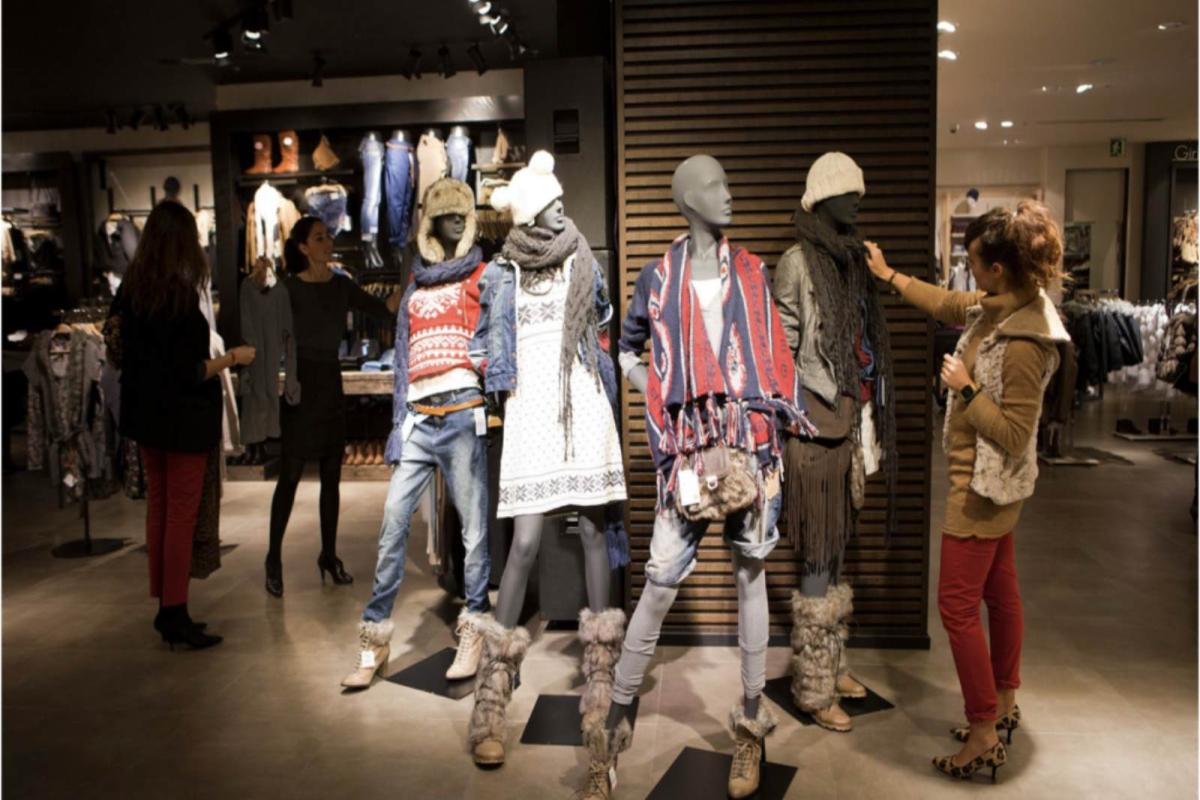
From the bustling streets of Tier-1 metros to the expanding high streets of Tier-3 towns, the battle for the Indian wallet is no longer about luxury—it’s about who can deliver the trendiest "fit" for under ₹999. The Indian fashion landscape which was once dominated by unorganized local boutiques or high-priced international labels has morphed into a high-speed, high-volume "Value Fashion" arena.
The Pioneer: Who Started the Revolution?
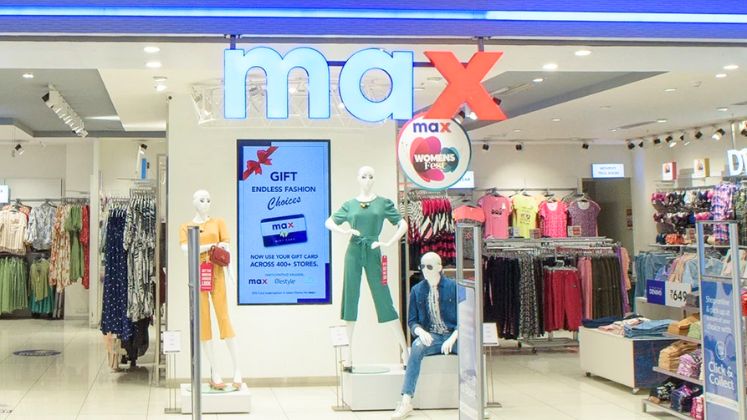
While several local brands like Monte Carlo and Killer Jeans brought organized retail to India decades ago, the modern "Value Fashion" format—large-format stores offering trendy, affordable western wear—was pioneered by Max Fashion.
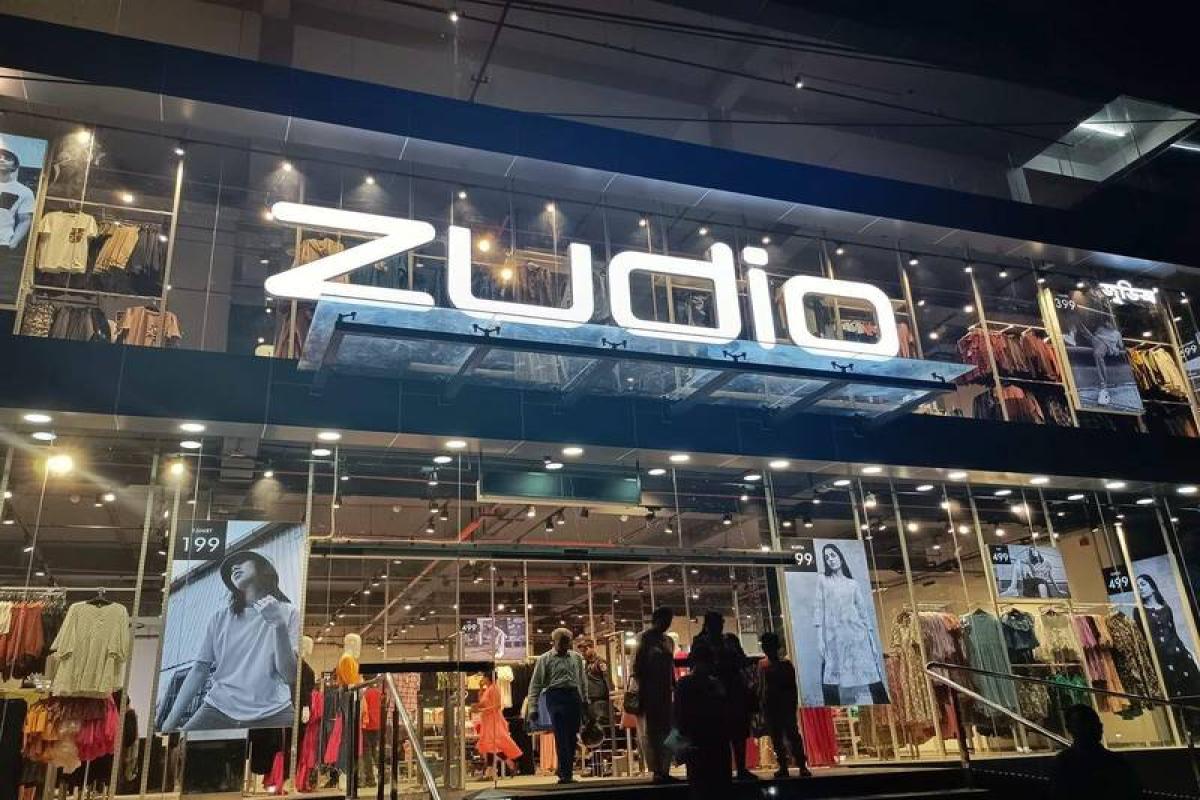
Launched by the Dubai-based Landmark Group, Max Fashion entered India in 2006 with its first store in Indore. It spent nearly two decades educating the Indian consumer that "trendy" didn't have to mean "expensive." However, the segment truly exploded in the late 2010s when Tata Group’s Zudio disrupted the pricing psychology of the Indian middle class with its aggressive ₹999 price ceiling.
The Heavyweights: 2026 Market Leaders
The sector is currently a "clash of titans," with India’s largest conglomerates pivoting their entire retail strategies toward budget-conscious Gen Z and millennial shoppers.
Brands - Key Strategy- Price Sweet Spot
Zudio Tata (Trent Ltd.) High inventory turnover; zero traditional advertising. ₹299 - ₹999
Yousta Reliance Retail Tech-enabled stores; targeting youth via massive scale. ₹199 - ₹999
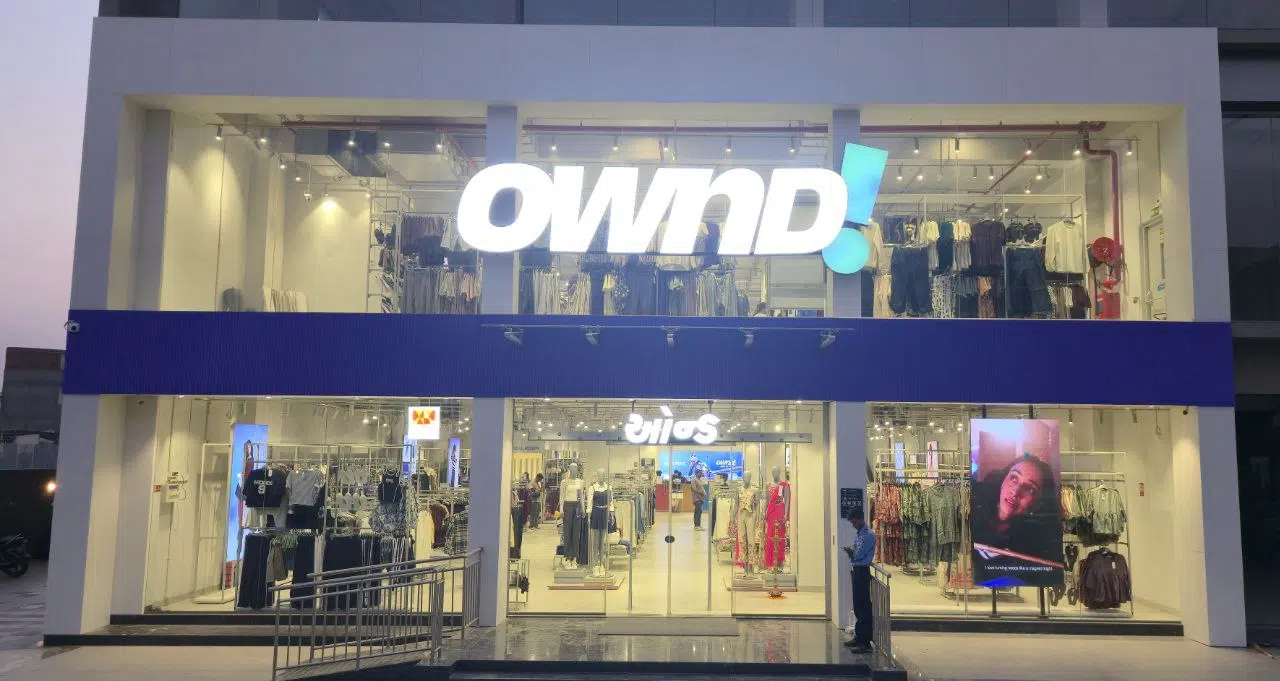
OWND! Aditya Birla (ABFRL) Gen-Z focus; high-energy, immersive retail spaces. ₹399 - ₹1200
Max Fashion Landmark Group Family-oriented; strong focus on kids and active-wear. ₹499 - ₹1499
From Metros to Micro-Markets
The business perspective has shifted from "How many malls can we enter?" to "How many pin codes can we dominate?"
The Reliance Aggression: Reliance’s Yousta has leveraged the massive supply chain of its elder sibling, Reliance Trends, to flood Tier-2 and Tier-3 cities with ultra-low-cost "own brand" tech-integrated stores.
The Tata Efficiency: Zudio continues to lead in profitability. By focusing on a single brand name rather than a house of brands, they have achieved a level of "brand recall" that makes them the "Starbucks of budget fashion"—the default choice for a quick, affordable fix.
The Birla Response: The most significant development in the last year has been the aggressive entry of Aditya Birla Fashion and Retail (ABFRL) with its new brand, OWND!. While ABFRL previously operated the Style Up chain, the transition to OWND! signals a shift from generic "value retail" to a high-identity, youth-focused brand.
Business Perspective: The Tier-2 & 3 Goldmine
Industry data for 2026 shows that while metros are essential for brand image, the real volume is coming from cities like Lucknow, Nagpur, and Coimbatore. Budget brands are acting as the "anchor tenants" in new malls in these regions, capitalizing on a "K-shaped" economic recovery where mass-market demand is concentrated in the sub-₹1000 price bracket.
The Challenges Ahead
Despite the booming sales, the sector faces a "Margin Trap." As Reliance (Yousta) and Aditya Birla (OWND!) aggressively compete for floor space, the cost of customer acquisition is rising.
Moreover, the "Ultra-Fast Fashion" model is under scrutiny. With Gen Z becoming more eco-conscious, brands are being forced to balance "cheap and trendy" with sustainability—a paradox that will define the next five years of Indian retail.
RELATED STORIES
Why Kris Jenner is China’s Newest Good Luck Charm

The Boys are Back in Town
American Actress and Model Dakota Johnson debuts i...
Empire waists, lace, and floral motifs; The Regenc...
The 2026 Groom Mood Board: Set on Fire by Vijay
2026 BRIT Awards delvered a fashion and music mome...
Raw Mango Reimagines South Asian Plurality with “I...
When washing machines become Handloom friendly
The Beat Goes Chic: India’s Concert Boom is Rewrit...
Emily is adorable in her Roma Adventure in Season...
Cloud Dancer is the colour of 2026

Kintsugi inspired sneaker collection by Reebok X...
From Grand father's drawer to global fashion
Paris' Galeries Lafayette to open in Mumbai in Nov...
Is this the end of heels and shoes on the fashion...
Unapologetic Glamour
Satya Paul Announces Creative Collaboration with A...
Enamor X Papa Don’t Preach by Shubhika unveils Lux...
Aseem Kapoor and Amit Hansraj show at Lakme Fashio...
Meryl Streep and Anna Wintour cross paths at Milan...
Aditya Birla eyes Gen Z; Launches OWND!
Aditya Birla Fashion eyes Gen Z, launches OWND
Alia Bhatt replaced Deepika as Levis Ambassador
Dhanush and Mrunal Thakur spark dating rumours

WHEN RAHUL BECOMING LOVE
DEMON HUNTERS FOR OSCAR
JURASSIC, THE UNBEATABLE WORLD

‘KPop Demon Hunters’ Song Will Be Entered for 2026...

‘KPop Demon Hunters’ Song Will Be Entered for 2026...
Rahul Mishra presented becoming love on July 7th a...