Sugar Test Unreliable?
A new study focused on India warns that relying solely on the HbA1c test may lead to delays in diabetes diagnosis and incorrect conclusions.
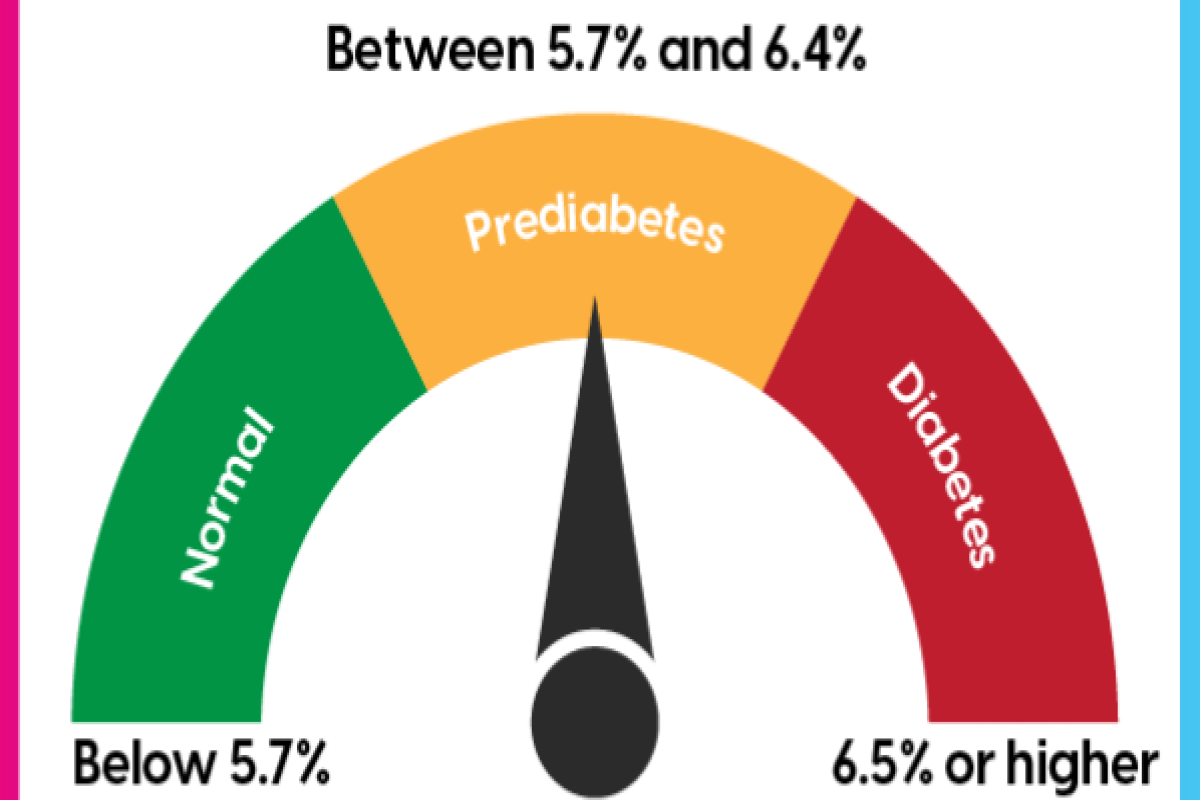
The study, published in the scientific journal The Lancet Regional Health: Southeast Asia, points out that the widely used Glycated Hemoglobin (HbA1c) test may not accurately reflect blood glucose levels for millions of Indians. HbA1c is a test we traditionally consider highly authoritative as it measures the average sugar level over three months.
This issue is particularly evident in regions where anemia, hemoglobinopathies, and Red Blood Cell enzyme (G6PD) deficiency are prevalent. The study questions the reliance on HbA1c as the sole tool for diagnosing or monitoring Type 2 diabetes in South Asia.
What is HbA1c?
HbA1c primarily measures the process of glycation in hemoglobin. If there are changes in the level, structure, or lifespan of hemoglobin due to anemia or other blood-related disorders, it can cause HbA1c values to show incorrectly. This leads to a misunderstanding of the actual blood sugar levels.
"Relying solely on HbA1c can lead to the misclassification of diabetic status," said Professor Anoop Misra, Chairman of Fortis C-DOC Centre of Excellence for Diabetes and the lead author of the study. This can result in missed diagnoses or incorrect treatment methods.
Key Findings of the Study:
* Inaccurate Measurements: In individuals with anemia or hereditary blood disorders, HbA1c values may appear higher or lower than the actual glucose levels.
* Malnutrition: According to 2025 data, iron deficiency anemia is high (over 50% of the population) in certain parts of India. This affects HbA1c test results.
* Delayed Diagnosis: In men with G6PD deficiency, diabetes diagnosis could be delayed by up to 4 years. This delay can cause complications in organs like the heart and kidneys.
* Lab Quality: Variations in quality standards across different laboratories affect the accuracy of the HbA1c test.
* Public Health Statistics: Surveys conducted based only on HbA1c may not accurately reflect the true number of people living with diabetes in India.
Recommended Approach
Considering the economic landscape, researchers suggest two types of clinical frameworks:
* In areas with limited facilities: Perform an OGTT (Oral Glucose Tolerance Test) for diagnosis. For monitoring, use self-monitoring of blood glucose (SMBG) via a glucose meter 2–3 times a week, alongside hemoglobin tests.
* In advanced hospitals: Combine HbA1c tests with OGTT for diagnosis. Additionally, markers like Continuous Glucose Monitoring (CGM) and fructosamine can be used.
If necessary, it is suggested to perform iron studies, hemoglobin electrophoresis, and G6PD testing.
The Growing Crisis
Diabetes has become one of India's biggest health challenges. Once known as a "rich man's disease," it now affects youth, IT employees, and even teenagers. It is estimated that over 100 million Indians currently have diabetes. Because the disease often goes unrecognized in time, many people only discover it after serious damage has occurred to the heart, kidneys, eyes, and nerves.